Hardwood vs. Engineered: Which Flooring Installation Gives NY Homes the Best Value?
Homeowners often struggle to choose the right materials when updating their living spaces. The decision between traditional hardwood and engineered wood involves more than just looking at a price tag or a color swatch. At M & A Home Transformations, we know that installing new floors is a major investment that impacts the daily function of your property.
Making the wrong choice can lead to warped boards or premature wear in high traffic zones. We help families in Bedford Hills and surrounding areas select materials that hold up to real life. A proper flooring installation gives your home lasting value when the material matches your specific environment.
What We Cover:
- Understanding the True Cost of Solid Hardwood
- Where Engineered Wood Outperforms Solid Planks
- Why DIY Flooring Projects Often Fail
- Which Flooring Is Better For High Traffic Areas?
- Making Your Final Flooring Choice
Understanding the True Cost of Solid Hardwood
Solid wood planks bring a classic feel to any room and can last for decades when cared for correctly. This material allows for multiple sanding and refinishing cycles over its lifespan. The initial cost reflects this longevity and the labor required for a precise flooring installation.
Many people underestimate the environmental requirements for solid wood. These planks react heavily to changes in indoor humidity and temperature. If your home has a damp crawlspace or lacks consistent climate control, solid wood will expand and contract significantly.
→ From a professional standpoint: Always factor in the cost of a proper subfloor assessment before committing to solid hardwood.
Where Engineered Wood Outperforms Solid Planks
Engineered wood consists of a real wood veneer layered over a plywood or high density fiberboard core. This construction method gives the planks incredible structural stability. They resist the warping and bowing that often plagues solid wood in fluctuating conditions.
This makes engineered products ideal for basements or rooms with radiant heating systems. The surface looks identical to solid wood because it is real wood. You get the aesthetic you want with a core built for challenging environments.
→ A quick tip to remember: Engineered wood is often faster to install, which can lower your overall labor costs.
Why DIY Flooring Projects Often Fail
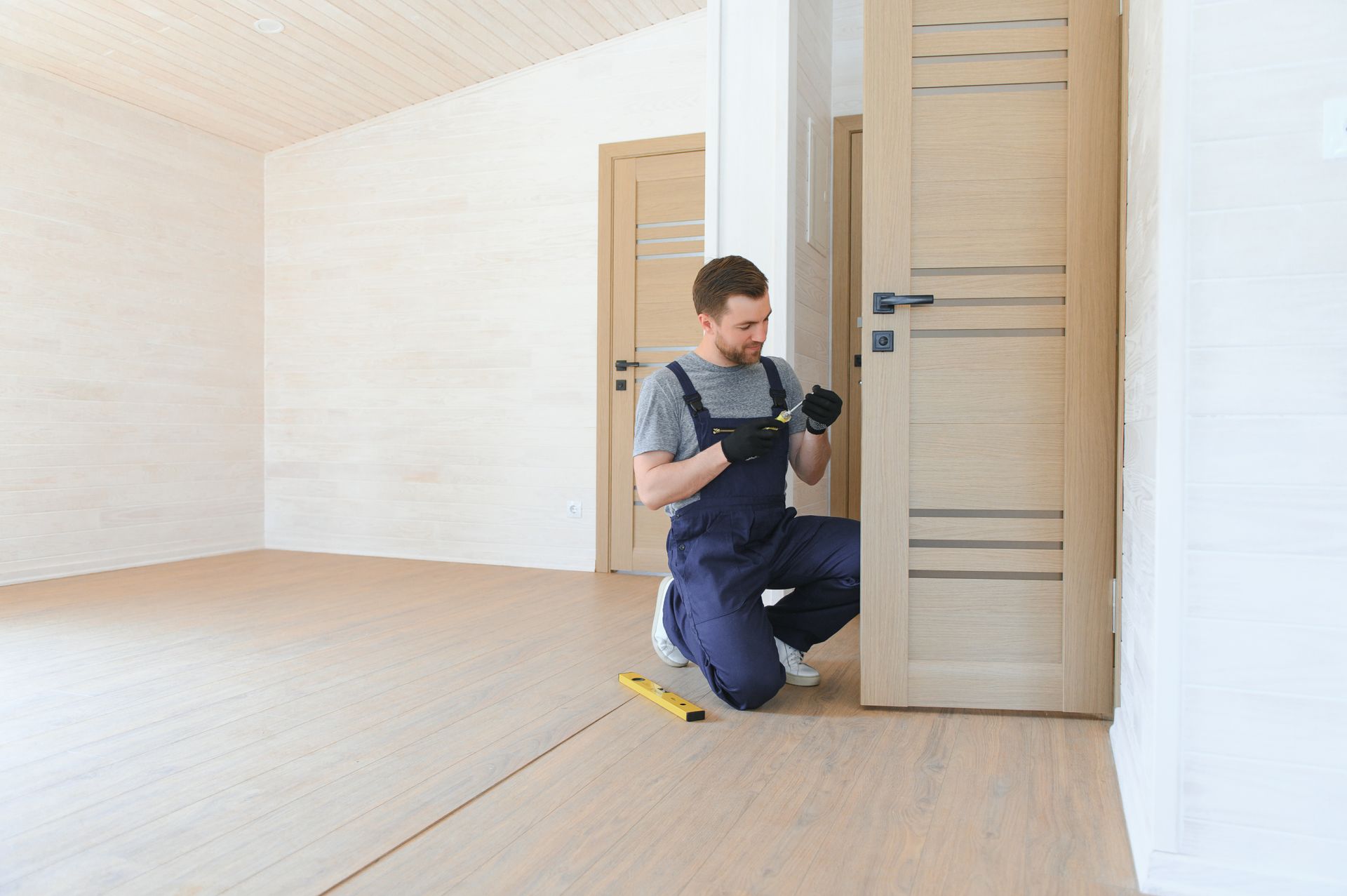
Home improvement shows make laying floorboards look like a quick weekend project. The reality involves complex math, specialized tools, and a deep understanding of subfloor preparation. DIY attempts frequently skip the crucial step of leveling the subfloor.
When a subfloor is uneven, the new planks will shift, squeak, or pull apart at the seams over time. Moisture barriers are also commonly installed incorrectly by amateurs. This traps moisture and leads to unseen rot that ruins the entire investment.
Which Flooring Is Better For High Traffic Areas?
When evaluating which flooring is better for high traffic areas, the finish matters just as much as the wood type. Solid hardwood is durable but can dent if heavy items are dropped. Engineered wood with a thick wear layer and a factory applied finish often resists scratches better in busy hallways.
For homes with active pets and children, engineered wood offers a highly resilient surface. If deep scratches do occur, some high quality engineered planks can be sanded down once or twice. We evaluate the specific foot traffic in your house to recommend the best protective finish.
Making Your Final Flooring Choice
The right flooring choice balances your budget with your daily routine. We want your new floors to look beautiful on day one and ten years down the road. Our team handles the heavy lifting so you can enjoy your updated space. Reach out to schedule a consultation and see our material samples in person.
Share This Blog